
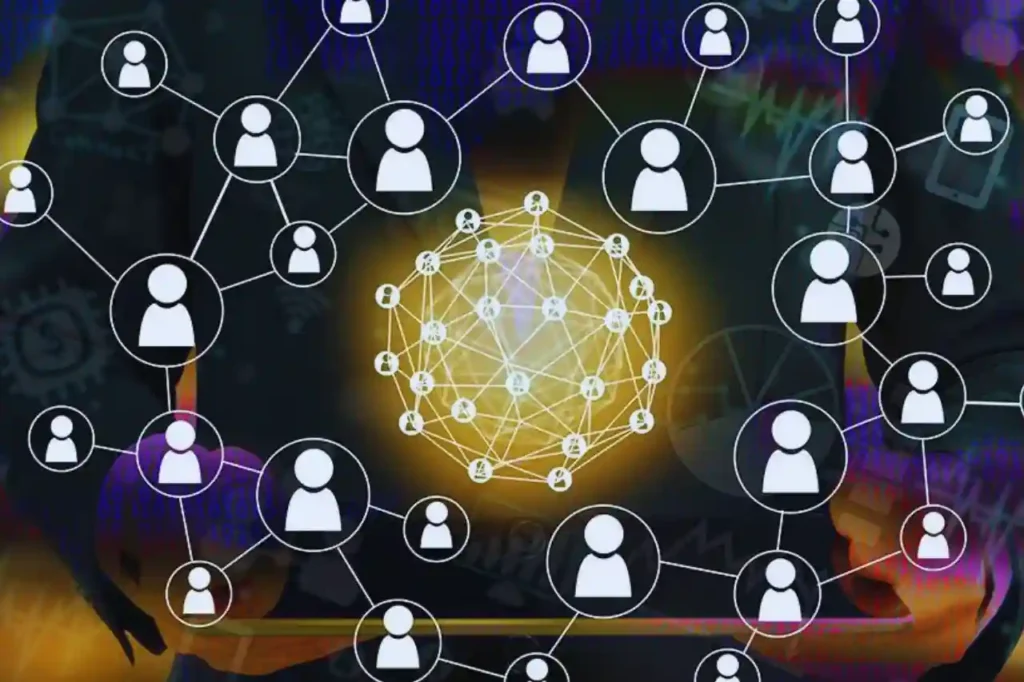
The gig economy and freelancing have become the norm of work these days. Many service providers are giving their services on a freelance basis, and many individuals and companies are taking advantage of it. With blockchain technology adopted by gig workers, freelancing has taken a new shape. Tokenization of gig work has several advantages for the gig workers as well as their clients. It eliminates centralized platform gatekeepers, bypasses high banking remittance fees, and provides instant, borderless, and transparent transactions for independent professionals across the globe.
What is Tokenized Gig Work?
Tokenized gig work refers to the use of blockchain technology, smart contracts, and digital tokens to decentralize freelance and gig labor. It allows workers to earn digital tokens or cryptocurrency for the service they provide, receive second-by-second payments, and build verifiable, portable reputation portfolios outside of traditional corporate platforms.
Tokenized gig work has many benefits. Instead of for net-30 or net-60 invoice terms, freelancers can receive fractional payment throughout the progress of the projects, through the use of smart contracts. The gig workers’ skills, credentials, and past client ratings are stored as immutable digital assets on a blockchain, which can be verified regardless of the platforms. Instead of giving up 10–20% of earnings to centralized apps like Uber or Upwork, tokenized gig workers can interact directly with clients and vote on platform governance.
How Blockchain Technology is Transforming Freelancing?
The traditional gig economy is frequently plagued by high platform fees, delayed payments, and platform-locked data. The use of blockchain technology and Decentralized Autonomous Organizations (DAOs) addresses these key challenges in several ways.
- Automated Payments (Smart Contracts): In a blockchain gig economy, freelance agreements are written into self-executing code that is stored as smart contracts. Funds are held in escrow and released instantly when predetermined milestones or deliverables of the project are met. This eliminates issues such as non-payment and arbitrary delays in payments, which are prevalent in traditional gig economies.
- Portable Reputations: Instead of building a profile on a single platform (like Upwork or Fiverr) and losing your ratings if you leave the platform, blockchain creates a verifiable, tamper-proof history of your work. This allows you to carry your hard-earned reviews and trust scores across any decentralized network. In a tokenized gig economy, your reputation and trustworthiness are not dictated by the platform, which is a great benefit of decentralization.
- Decentralized Governance (DAOs): Freelance platforms can be run as Decentralized Autonomous Organizations (DAOs) where the workers and clients hold tokens. This will give them a say in platform rules, fee structures, and dispute resolution. Only the beneficiaries of the platform will control its operation, rather than a centralized authority dictating it.
- Micro-transactions: Blockchain enables instant cross-border transactions by charging negligible fees. These micro-transactions make it economically viable to get paid for tiny micro-tasks or fractional gig contributions.
- Tokenized Incentives: Platforms can reward consistent, high-quality work with platform utility tokens, giving freelancers a financial stake in the success of the decentralized gig ecosystem.
The Future of Bitcoin Gig Economy
The future of the blockchain gig economy is defined by decentralized autonomous organizations (DAOs) and smart contracts that replace corporate intermediaries to enable peer-to-peer agreements. This evolution lowers platform fees, enforces instantaneous cryptocurrency payments, and establishes portable, tamper-proof reputation systems for independent workers.
While the traditional freelance market is sailing towards achieving a profit of $2 trillion, blockchain technology is structurally reshaping it in the following ways.
- Disintermediation & Lower Fees: Traditional centralized platforms (e.g., Upwork, Fiverr) charge high rates as platform fees, ranging from 10% to 20%. Blockchain networks allow clients and freelancers to connect directly, significantly lowering transaction costs and maximizing worker earnings.
- Micro-Tasking & Tokenization: Blockchain enables seamless processing of micro-transactions, making incredibly small tasks economically viable. Workers can also receive platform utility tokens, giving them long-term equity or governance rights in the platforms they help build.
- Global Access & Financial Inclusion: For gig workers in regions with unstable local currencies or restrictive traditional banking, stablecoin and cryptocurrency payouts allow for rapid, borderless wealth transfers and easier access to global opportunities.
- AI and Automation: AI and automation will reshape gig work, with AI replacing several redundant tasks. Automating processes like data entry and simple customer service would be the future of tokenized gig work.
- Performance Monitoring: Tokenized gig work can help in a more efficient monitoring of performance, and help in implementing dynamic pricing of services based on demand.
The Bottom Line
Freelancing or gig work is a working method that gives immense freedom to the workers as well as the customers. With blockchain technology being incorporated into the gig economy, the future has been transformed for good. Gig workers and freelancers can now enjoy more freedom and comfort at work compared to the traditional gig economy. With the integration of AI and automation into the blockchain ecosystem, gig work will undergo a revolution.